
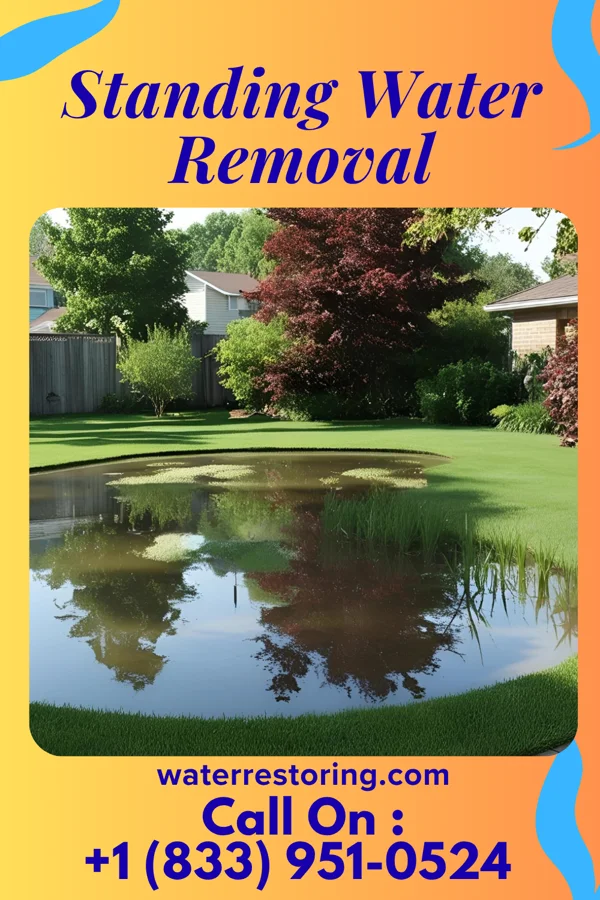
Standing Water & Insurance in San Antonio Heights
In San Antonio Heights, primary water damage often stems from plumbing leaks, particularly in older homes with outdated pipe systems, and sudden pipe bursts during dry spells. Additionally, heavy rainfall events, though less frequent, can lead to localized flooding in low-lying areas near the Santa Fe River. is the trigger behind most standing water removal claims in San Antonio Heights. A close second is Secondary causes include water intrusion from nearby properties, such as from Upland or Claremont, and issues arising from improper drainage systems in rural areas. Stormwater runoff can also contribute to water damage in areas with poor soil drainage.. Most homeowner insurance policies cover sudden, accidental water damage. What separates a clean claim from a stuck one is fast professional response with documentation an adjuster can actually use.
San Antonio Heights experiences a Mediterranean climate with dry summers and wet winters, which increases the risk of sudden water damage from burst pipes or sudden storms. The area's proximity to the Santa Fe River also raises concerns for flash flooding during heavy rainfall events.
Most standing water removal calls in San Antonio Heights come from In San Antonio Heights, primary water damage often stems from plumbing leaks, particularly in older homes with outdated pipe systems, and sudden pipe bursts during dry spells. Additionally, heavy rainfall events, though less frequent, can lead to localized flooding in low-lying areas near the Santa Fe River.. Running a close second is Secondary causes include water intrusion from nearby properties, such as from Upland or Claremont, and issues arising from improper drainage systems in rural areas. Stormwater runoff can also contribute to water damage in areas with poor soil drainage.. Local mold risk: Due to the region's dry climate, mold can develop rapidly if water is not addressed within 48 hours, making prompt action critical. The presence of older homes with poor insulation increases the likelihood of mold growth in damp conditions.